Sports rehabilitation at Radius
When a sport leaves you hurt, sore, or not quite moving right, getting out of pain is only half the goal. The other half is getting back to something that asks a lot of your body, and being ready to hold up under those demands again, ideally even better than before. That second half is the part most rehab overlooks, and the part we care about most.
Think of it as the difference between getting back to your daily life and getting back to your sport. Ordinary rehab does the first: enough strength and movement to handle a normal day. Sport-specific care keeps going, rebuilding the strength, mechanics, and load your sport actually puts on you. A runner, a lifter, a cyclist, and a tennis player ask very different things of their bodies, and good rehabilitation treats those differences seriously instead of running everyone through the same plan.
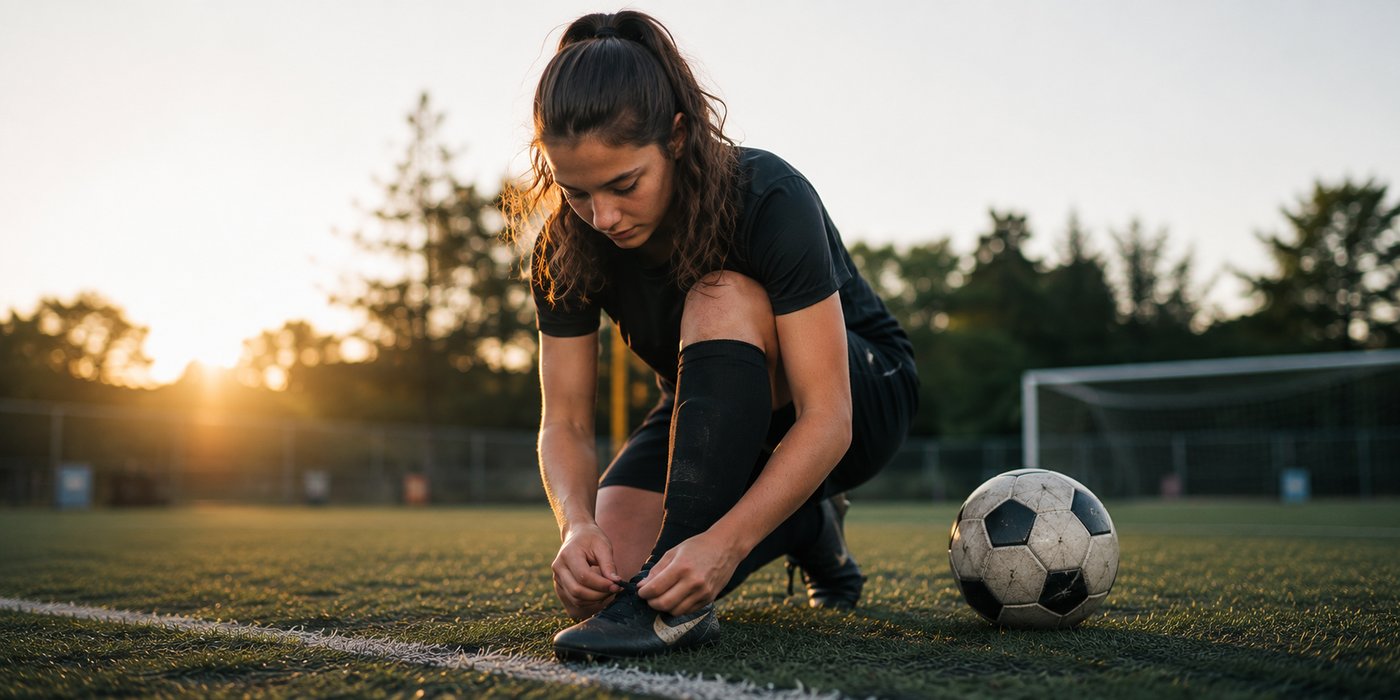
That range is wide on purpose. We work with competitive team-sport athletes in soccer, basketball, and volleyball; high school and youth athletes still growing into their strength and coordination; and people whose sport isn't a team at all, like rock climbers, mountain bikers, and trail and road runners. Whatever yours asks of you, the plan is built around those specific demands.
How sport-specific care is different
Every sport involves its own movements, forces, and patterns. Rehab at Radius is built around the ones that matter for you. That can mean gait analysis for a runner, loading and strength work for a lifter, or rotational control for a thrower. The aim is to prepare the injured area for the specific stresses it will face again, not just to calm the symptoms.
Care also accounts for how your body works as a whole. Old imbalances, weak links, and movement habits often contribute to an injury in the first place, and addressing them is part of both recovering and reducing the chance of a repeat. The result is a return to sport that is more durable, not just faster.
Ready to get back to your sport? The diagnostic exam maps the route back.
Who this is for
Sport-specific rehabilitation suits athletes at every level, from competitive and collegiate athletes to weekend runners, cyclists, climbers, and anyone whose activity is a meaningful part of their life. If your goal is to get back to a sport rather than simply back to baseline, this is the path.
Care begins with a full diagnostic exam to understand the injury, the demands of your sport, and the most direct route back to it.